Fujifilm Cameras and Lenses

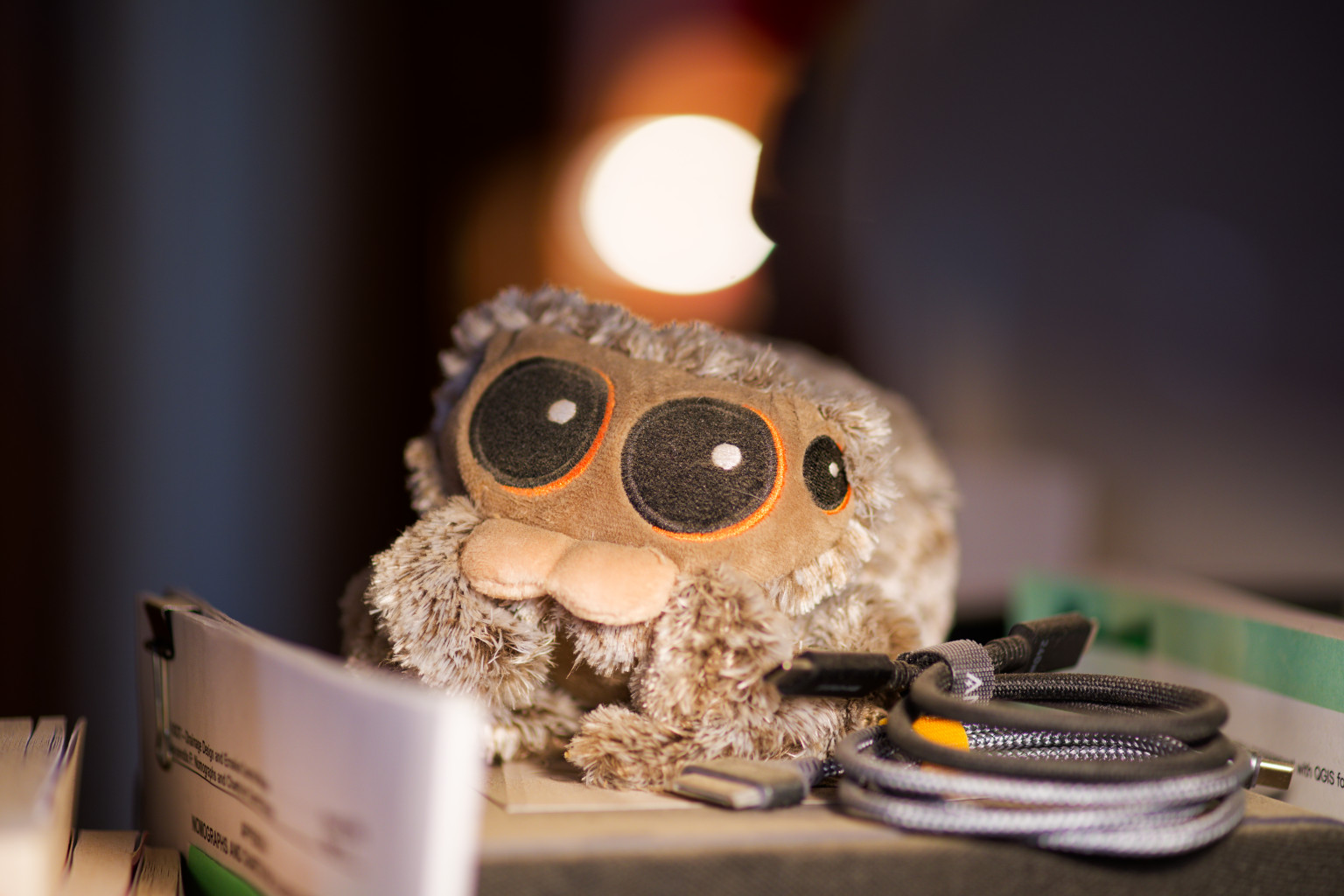
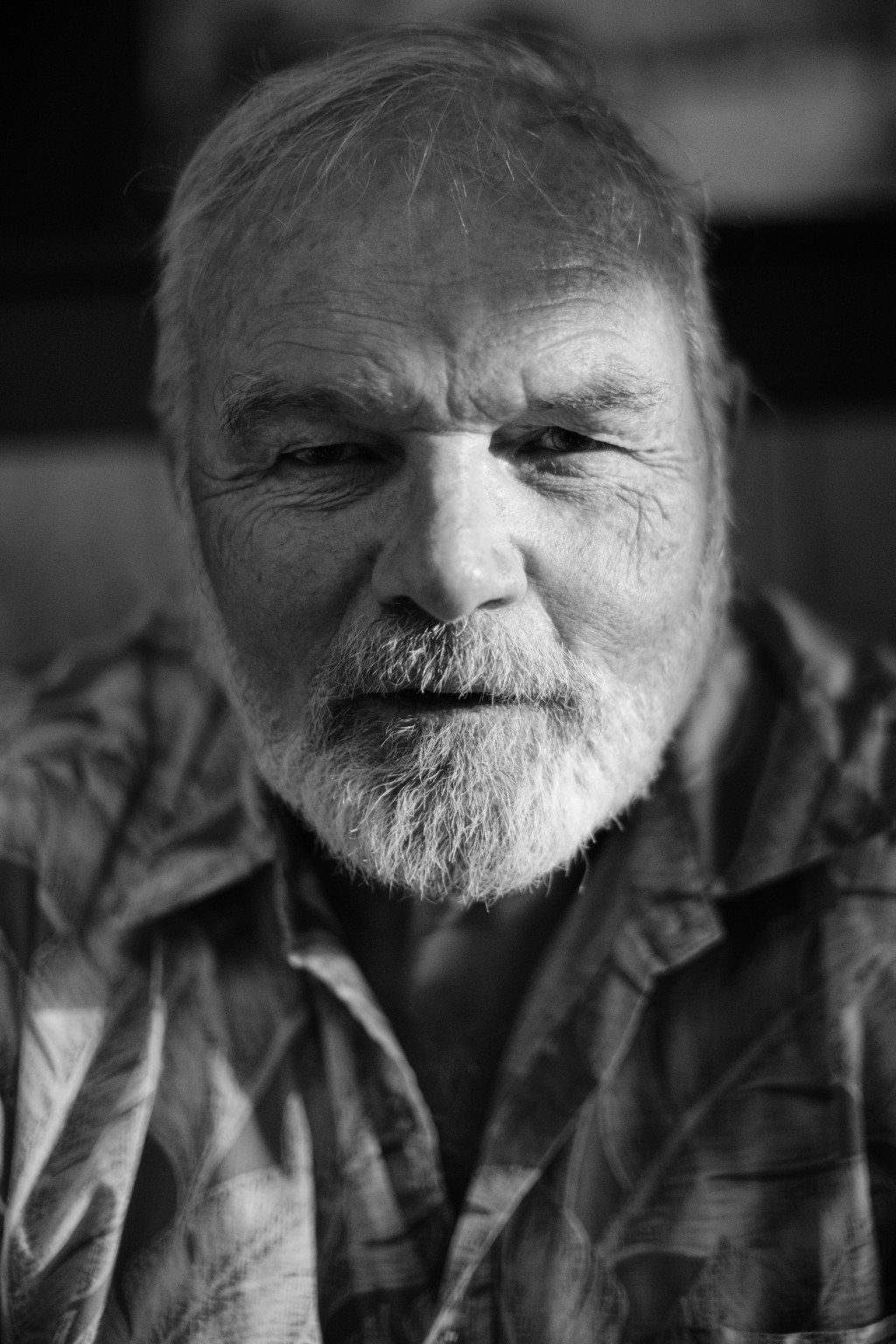
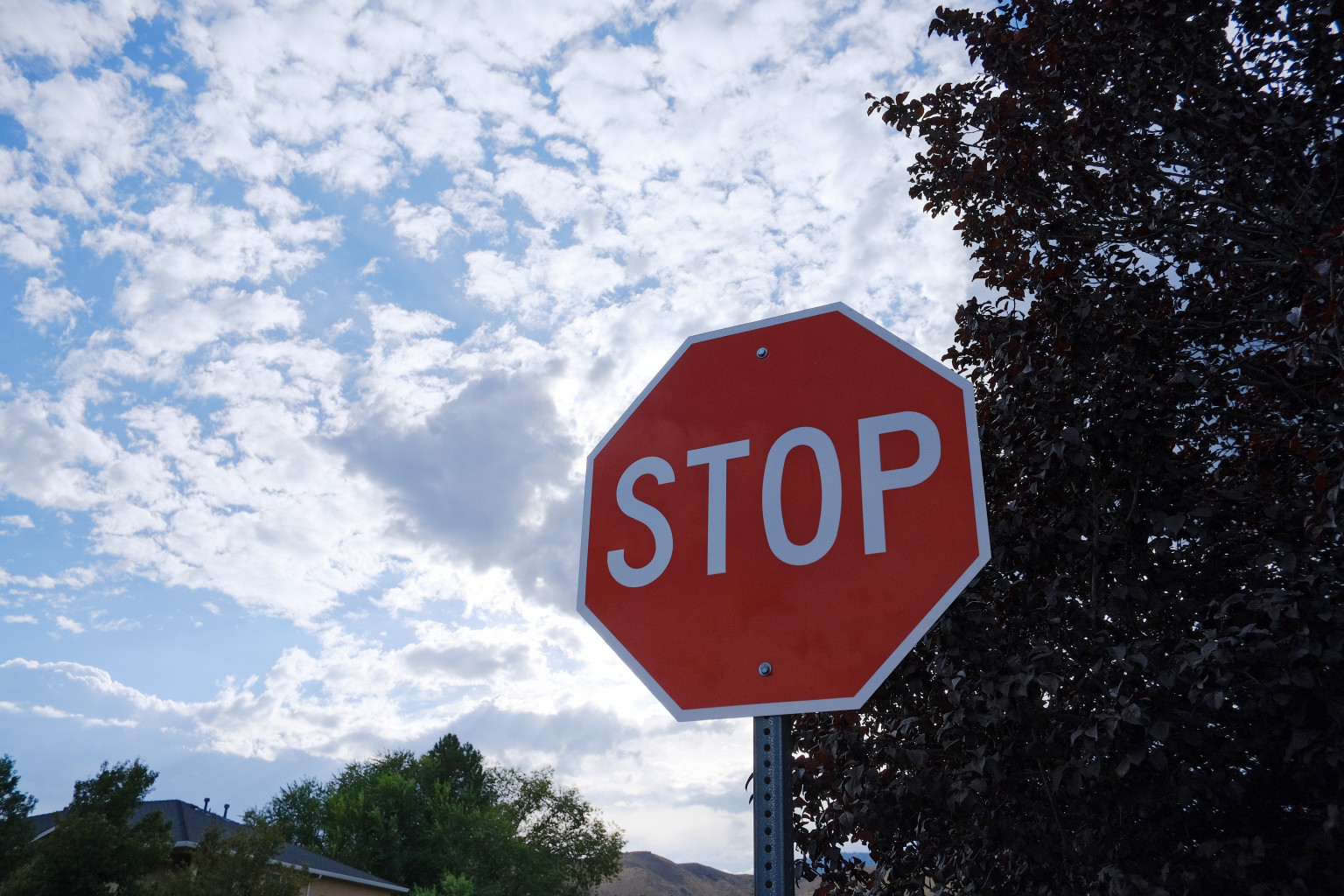
I should probably have put the background out of focus for this capture. I might also experiment with a black and white version. But this will do for the day. Captured with X-Pro3, 2026-09-21 16:55:26, Voigtlander 18mm, 1/2400sec, f/5.6, ISO-400, light editing.

A favorite content creator, Dan Bailey, is a long-time Fujifilm user, professional photographer, and teacher. I think I started following him about 10-years ago.

He recently resent one of his blog posts about his favorite Fujinon lenses and I reviewed his site. He has some good picks on the list that reflect his approach to photograph and his style. Even if my style is somewhat different, there is knowledge to be gained from reviewing his reasons why he chooses what he does.

I have three Fujifilm cameras in my inventory that see significant use. They are 1) X-Pro3, 2) X100vi, and 3) X-T5. The latter two have the 40MP IBIS sensors that are fifth generation. They are exceptionally capable cameras with different use-cases. The X-Pro3 was a curiosity purchase because I am interested in the rangefinder mystique. I have never owned a rangefinder camera1 that received significant use. In particular, Leica rangefinders have an almost cult following. So, I rented one and then kept it.

X-Pro3: The X-Pro3 is getting a lot of carry time. I have a small kit of prime lenses that match the form factor. This makes for a small kit that is readily carried. That is the primary advantage. The secondary advantage is that the camera is less obvious when out and about. It is small, black, and the lenses are also small and unobtrusive. It is a capable camera even if it has a known flaw, which is the ribbon cable that connects to the swing out rear screen2. But perhaps my favorite part of the camera is its size and tendency to be overlooked when I am out and about.

A part of this is use of the smaller lenses. That currently limits me to a longest focal length of 50mm (the Fujinon 50mm f/2 XF WR). That gives me a 35mm equivalent focal length3 of 75mm and I think that the maximum focal length used on classic 35mm rangefinder cameras is in the 90mm range. Beyond that, the frame lines in the viewfinder are just too small to be useful.

I have a Fujinon 90mm f/2 in my inventory and it is a great lens! It is nearly the perfect short-mid telephoto lens I have that fits my Fujifilm cameras. But it is fairly large and heavier than the remainder of the kit.

X-T5: The X-T5 is the goto camera whenever I am using what I call the Big Glass. That would all of the fast zoom lenses (the 100–400mm in particular), and whenever I want more grip than the X-Pro3 provides. My X-T5 is equipped with the Smallrig grip and base and that provides a lot of hand purchase on the camera and a Arca Swiss tripod compatible base on the bottom.

It is a different camera for a different use case than the X-Pro3. It fits into my use whenever I need the longer reach or the in-body stabilization. I put together a small X-T5 kit last year when I travelled east for one of my grandson’s weddings. I took the 16-55mm zoom, the 35mm f/1.4, and the 70-300mm zoom. I used the fast 16-55mm zoom the most because of what I was doing (spending time with my kids). But, the 35mm provides wonderful portraits and the long zoom has a lot reach for wildlife or telephoto landscapes. It has a lot more reach when mated with the XF TC1.4 teleconverter.

X100vi: Last is the X100vi. Many denigrate the camera as an influencer point-and-shoot for the follower crowd. I suppose that it is, but that is not the point. This is a grab-and-go camera that is quite capable with an excellent lens, solid feature set, and that 40MP IBIS sensor and processor. If I do not want to think about kit, I take this camera. It is a solid general purpose camera that produces wonderful images if I do my job.

Now I have to laugh at myself! What started as a rumination on Fujinon lenses turned into said on Fujifilm cameras! I think that I will revisit the topic again, later, and talk about the lenses I specifically carry in my kit that are actually used.

The X-Pro3 and X100vi get a lot of carry time. I will sling the Domke bag with the X-Pro3 and a few lenses over my should or put the X100vi strap over my neck every time I head out the door. I almost always carry a camera along. It is part of how I look at the world. The X-T5 comes along when I have an objective to accomplish — a specific photo shoot that I am working on.

Of course, if I travel, then the X-T5 kit I mentioned above, or a variation thereof, goes with me.

I am grateful. Life is good.
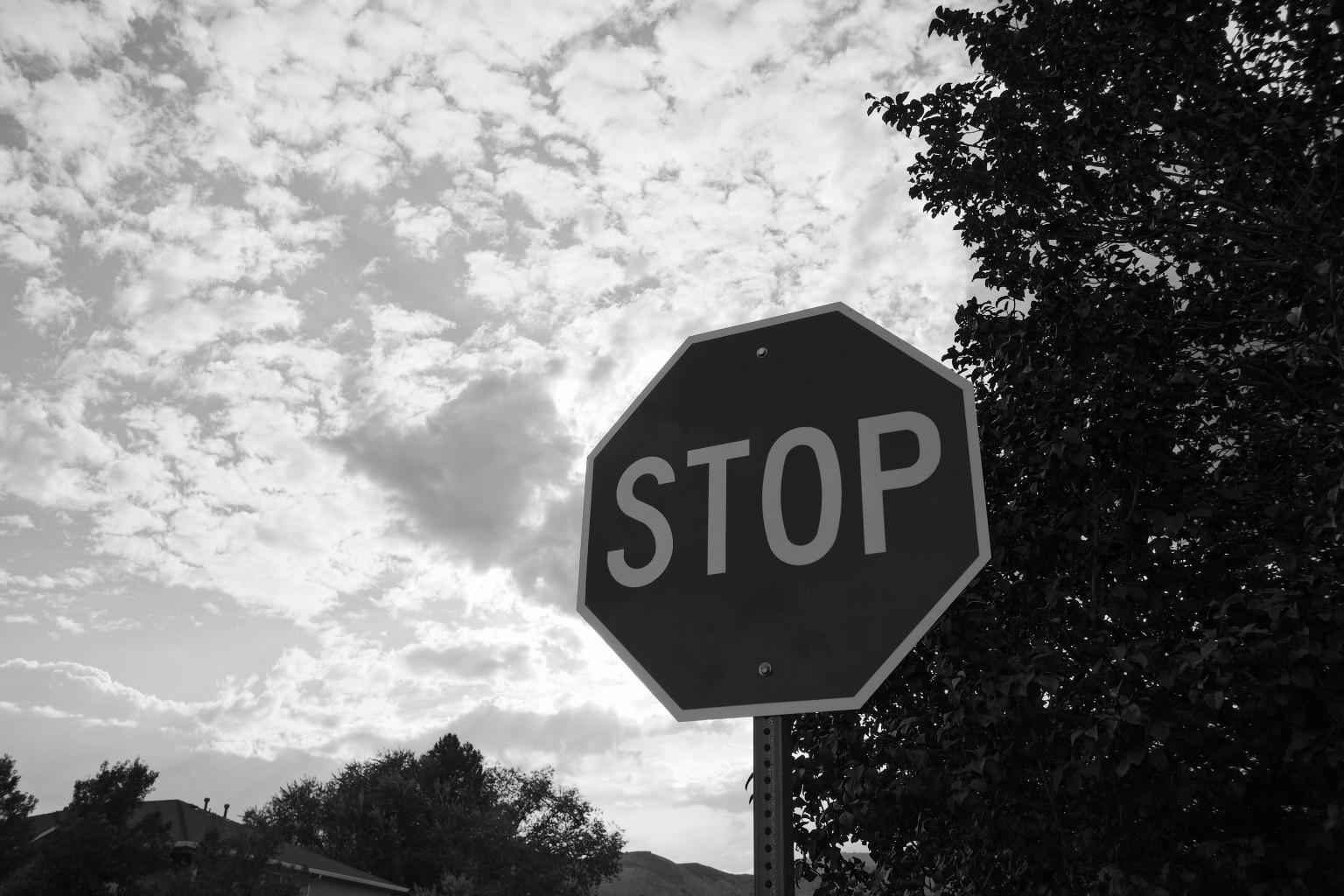
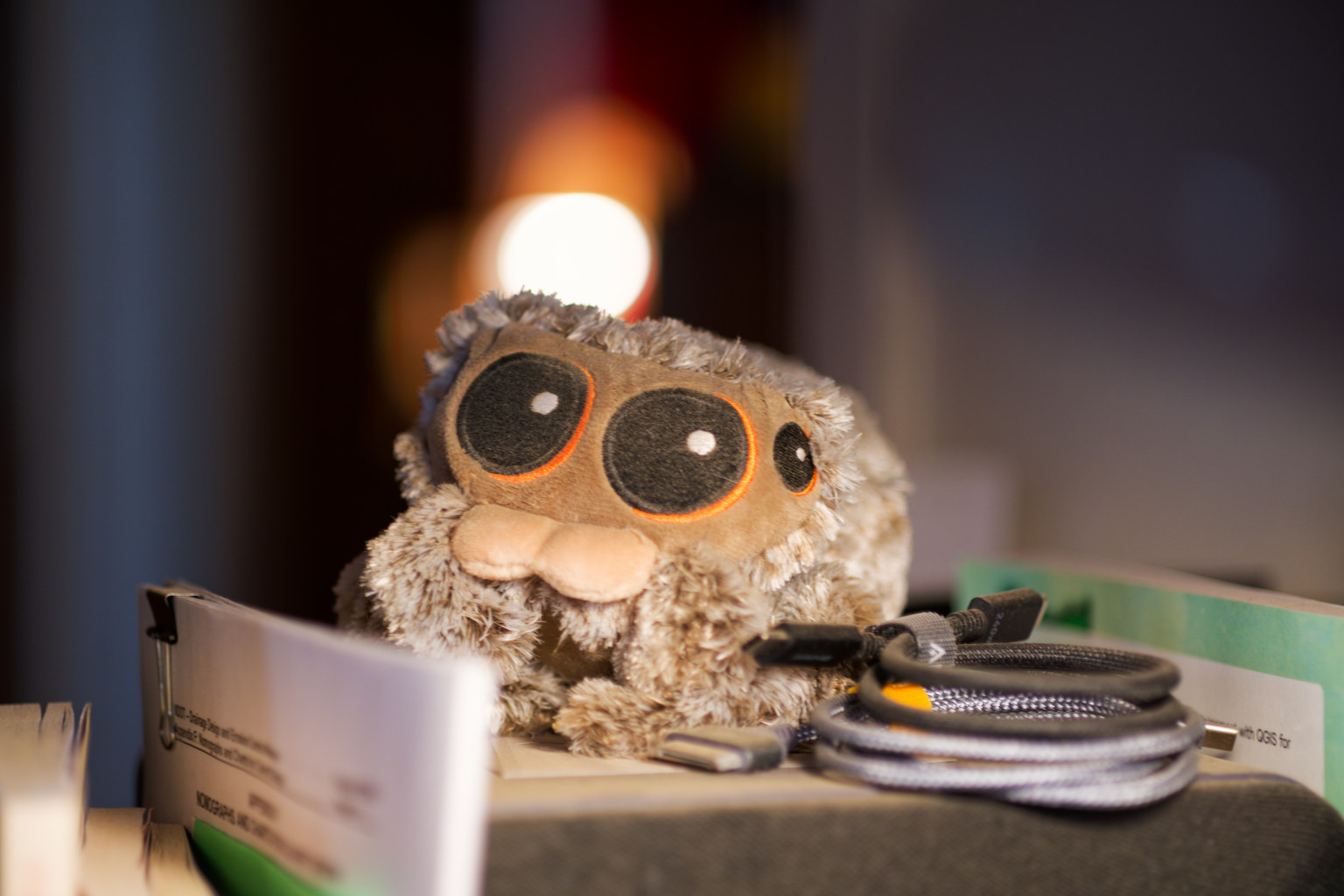
This is a second instance of the capture at top, rendered in black and white. The background is a bit blinding and might need some burning in. Captured with X-Pro3, 2026-09-21 16:55:26, Voigtlander 18mm, 1/2400sec, f/5.6, ISO-400, light editing.

Zuiko 90mm f/2 and Tamron 90mm f/2.5 Comparison

This is a test frame from an Olympus Zuiko 90mm f/2 macro lens wide open (f/2). Captured with ILCE-7M3, 2026-08-14 16:39:26, 90mm, 1/30sec, f/2, ISO-400, light editing with PhotoLab7.

Earlier this summer, I took a fancy to my small Olympus film camera collection. Last year I carefully traded out an Olympus OM-2n for an Om-4Ti and then picked up a user-grade OM-3. The OM-1MD was also serviced when I found it had a frozen shutter.

When I bought the Olympus kit from an old motorcycle friend, it came with a small collection of lenses. They were the usual suspects and a mix of OEM and third-party glass. The Tokina zoom was surprising good, certainly better than I expected. But I do not generally use zoom lenses, particularly on vintage film cameras. The prime lenses are generally much better and certainly far more interesting from a image quality perspective.

Over the last few months I carefully curated a small collection of Zuiko prime lenses. I carefully picked those with the best reputation for image quality. I think my collection is complete and I have a few samples to sell.

One of the lenses with a better than average reputation is the Zuiko 90mm f/2 macro lens. It is fast, particularly for a close-focusing lens. It has a reputation for being sharp, even wide open, and sharp across the field (even wide open).

I also have a Tamron 90mm f/2.5 macro lens in my collection that uses the Tamron Adaptall-2 mounting system. The Olympus adapter(s) were purchased last year (or before). During my research I noted that there were two instances of the adapter with the later unit being adjusted to fit the OM-4 bodies. The earlier version would sometimes lock to the body because one particular screw was in slightly the wrong position for the mount. So, I made sure I have only the later copies in my collection. The early version of the adapter was set aside.

A number of the Tamron lenses are rated superior in image quality to the general population of third-party glass. Tamron’s designs were good, particularly their 90mm, 70-210mm zoom, and 17mm lenses. All of my samples are from the SP line with the BBAR coatings. They are also in good condition.

When my Zuiko 90mm arrived, I collected it, the Zuiko 85mm f/2, and the Tamron 90mm lenses and played a little at my desk. My Lucas plushie often serves as a test subject for my playing and he did well this time around. I also keep the living room lights on because they can provide an interesting bokeh if that is part of the lens’ attraction.

The Zuiko is quite good. I do not see any bloom in the out of focus background light and the light from my desk lamp (that illuminates Lucas) does not cause any significant loss of contrast in the image. The lens is plenty sharp wide open.

For comparison, I shot the same image with the Tamron 90mm. Both were affixed to my Sony A7iii and shot in raw format. I made a few minor edits to the images to adjust contrast and saturation slightly1. The Tamron performs well in comparison to the Zuiko. Both lenses are a good match for the OM bodies, with the Zuiko being just a little smaller.

This is not intended to be a scientific test of the optics of my two samples. There are plenty of in-depth studies of the lenses on the Interwebs. My comparison between two legacy lenses that both have solid reputations is intended to provide a quick answer to the question “Are they any good?”. From my limited experience, those reputations are deserved.

I might do a three-way comparison and include the Zuiko 85mm f/2 in the lineup. That lens is slightly smaller than the 90mm f/2 macro.

This is a test shot from a Tamron 90mm f/2.5 macro lens wide open at f/2.5. Captured with ILCE-7M3, 2026-08-14 16:34:28, 90mm, 1/30sec, f/2.5, ISO-500, light editing with PhotoLab7.

—–
1The Sony cameras are solid, particularly at the Rev. III level. They have in-body image stabilization that can be adjusted for unchipped manual lenses using the menu system. However, I do not care for the image quality straight out of camera. While the adjustments I make are generally subtle, I find SOOC Sony colors not quite to my taste.

Noct-Nikkor Test Portrait

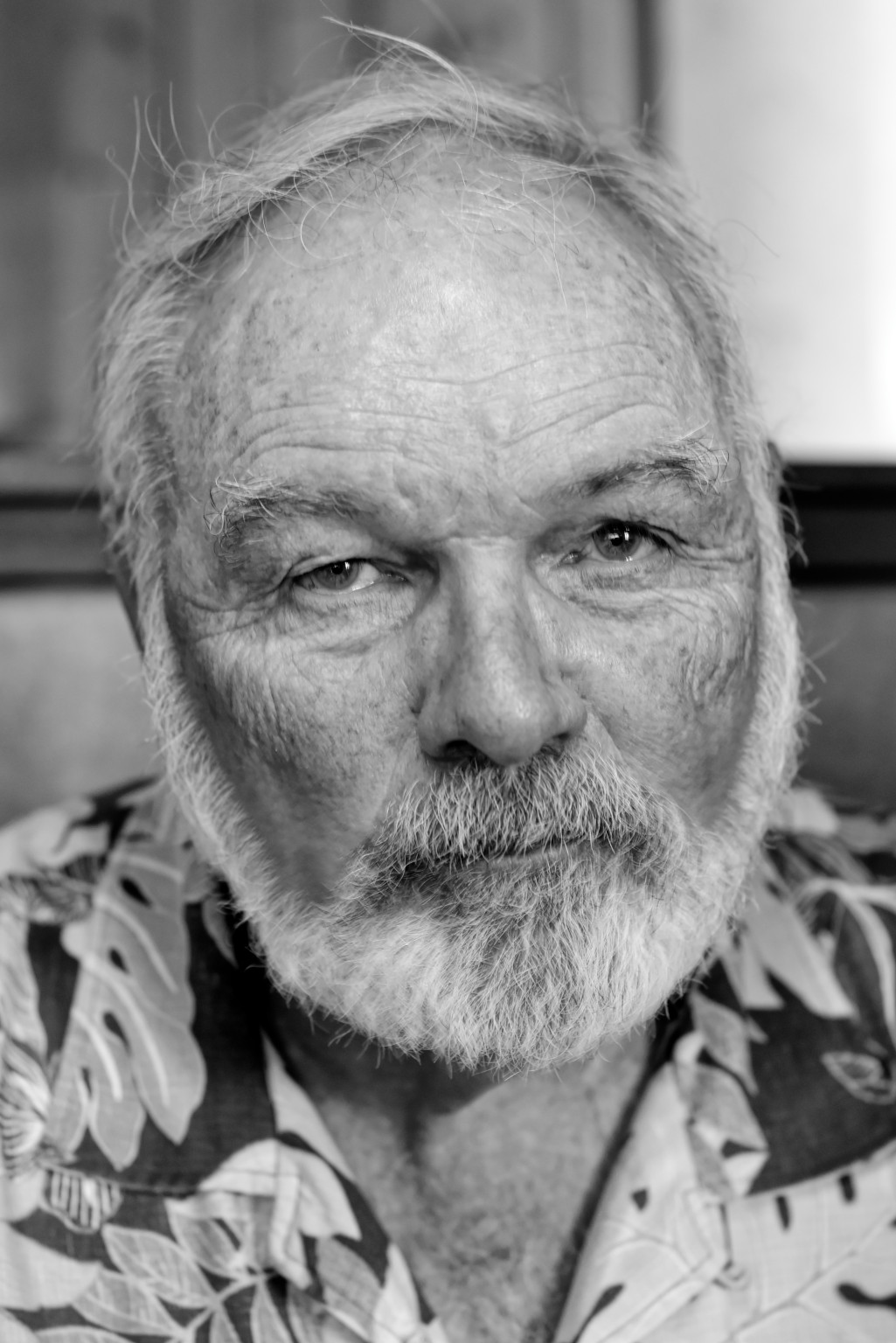
My buddy graciously posed for my test shot using a new-to-me Noct-Nikkor 58mm f/1.2 vintage lens. I like it (and my buddy, too)! Captured with NIKON D750, 2026-08-08 17:04:31, 58mm, 1/15sec, f/4, ISO-800, and converted to a Tri-X simulation in PhotoLab 7.

Last weekend, a new-to-me Noct-Nikkor 58mm f/1.2 manual focus lens was delivered. This is a grail legacy lens for Nikkor collectors/shooters. It is relatively rare and expensive because of a hand-ground aspherical element in the design that eliminates (mostly) a spherical aberration called coma. Coma occurs at the edges of the image of lenses without correction and expresses small/point light sources as elongated blobs instead of points. The Noct-Nikkor was expressly design to minimize this distortion when shot wide open, such as in night/low-light shots or astrophotography.

I finally found a user-grade lens at a reasonable price. Mine will be used on my Nikon bodies.

I took it with me to supper with my buddy mounted on a Nikon D750. He patiently permitted me a test photo. He also was quite taken with the lens. It was the first of this model he ever handled.

I like the rendering of the portrait.

I am grateful. Life is good.

Voigtlander 35mm f/0.9 Nokton Test Frame

My Voigtlander 35mm f/0.9 lens arrived today. I needed a test frame, so I chose my favorite model. Captured with X-T5, 2026-08-10 13:40:39, 35mm, 1/85sec, f/0.9, ISO-1600, SOOC.

My new-to-me Voigtlander 35mm f/0.9 Nokton arrived Monday. I had to make a test frame just to see.

Voigtlander makes some pretty darned good manual focus lenses. They lean toward the vintage aesthetic, that is, they are not clinically sharp and they render images that look more like vintage lenses than modern.

But they have the modern convenience of talking to the camera body and informing lens focal length, aperture setting, and distance to the subject so that the camera’s processor can provide support. In the case of my X-T5, that means that in-body stabilization works as well as populating the EXIF portion of the image file. These are good things.

I need to do more testing of this specialty lens.

My Buddy

I had the Mitakon 35mm f/.095 lens on the X-Pro3 and noticed the light on my friend’s face. I made the capture. Captured with X-Pro3, 2026-07-25 18:49:23, 35mm, 1/550sec, f/0.95, ISO-800, SOOC.

I had a Miticon/Zonghi 35mm f/0.95 lens affixed to the Fuji X-Pro3 last Saturday night. I decided the lens needed to be shot, so I mounted it.

While we chatted over supper, I noticed this light fall across my friends face, so I made a few captures with the camera. All were shot wide open. Focus is a bit of a challenge, but I got it.

I quite like the rendering. I will sell the lens to my buddy, who will enjoy it. I have my eye on a Voigtlander 35mm f/0.9. It has contacts to convey lens settings to the camera. I prefer that.

It was a good evening. Life is good.

Sign, Sign, Everywhere a Sign

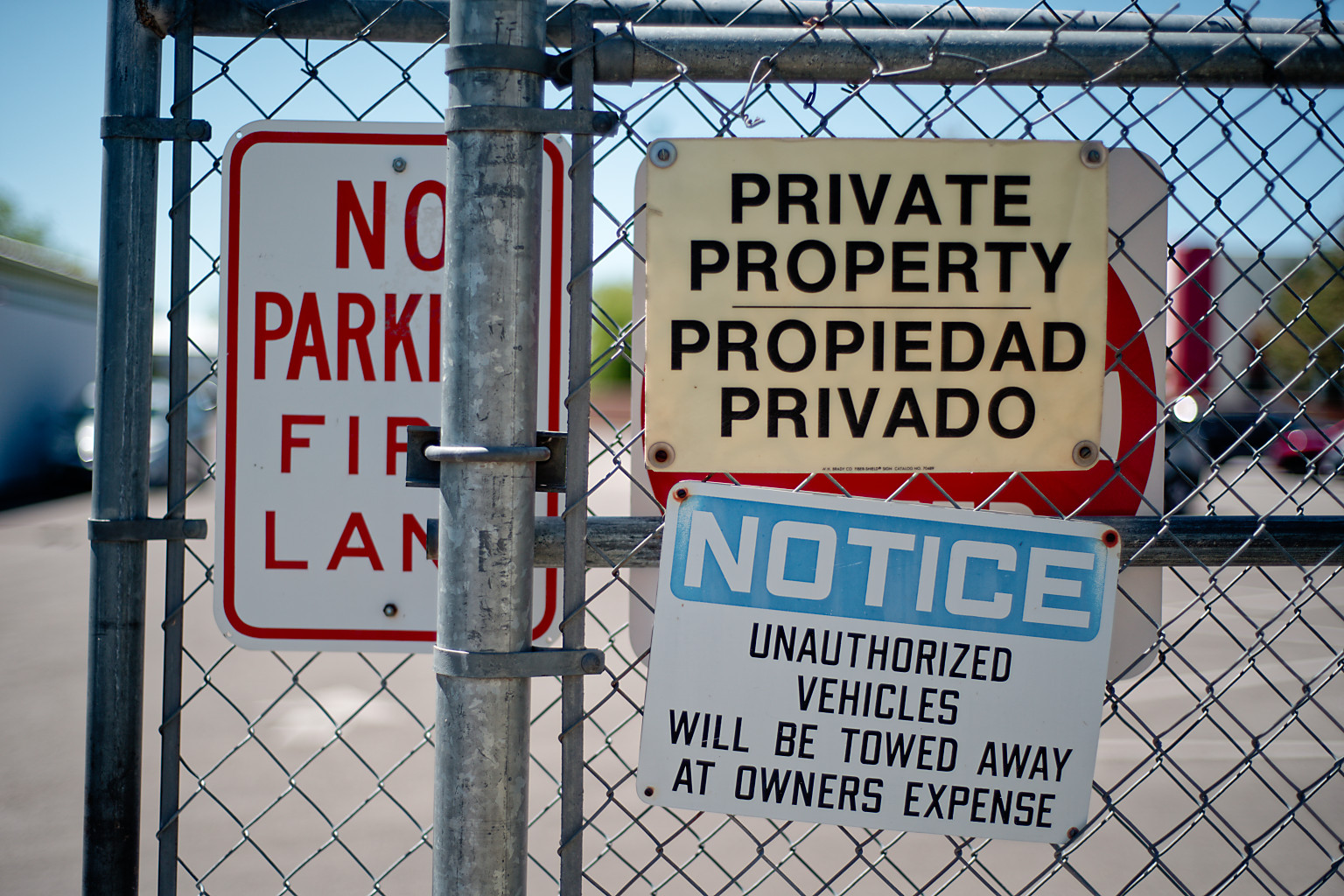
On walkies with The Girl, I noticed this collection of signs. It reminded me of an old song. Captured with ILCE-7M3, 2026-05-19 11:00:02, Nikon Series E 50mm, 1/3200sec, f/1.8, ISO-100, processed DXO Photolab 7, Velvia 50 film simulation.

I decided to carry the Sony A7iii yesterday when I got The Girl out for a walk. I knew it had a Nikon lens affixed to the body, but did not take time to check the lens before we headed out the door. When I did remove the lens cap, I noticed that my Nikon Series E 50mm f/1.8 was attached to the camera.

It is a decent lens, especially given its price point. But it lacks the better coatings of the Nikkor lenses that I have in my collection. I shrugged and decided to use what I brought. (And that was the only lens that I brought.)

So, we walked one of our shorter loops because it was late and I had a couple of appointments to prepare for. Along the way, I noticed this group of signs. Immediately, the classic song Sign, Sign, Everywhere a Sign filtered in my consciousness, my innate tendency to free associate kicking into gear.

So, we paused for me to make a few captures, then continued our walk.

When we arrived back home, The Girl headed to bed for a nap and I looked through the few captures. I chose this one for posting.

And, although the Nikon Series E 50mm f/1.8 is a good enough lens, I have better Nikkors in my collection. The Series E can go to someone else. In fact, when we arrived home, I mounted the Nikkor 50mm f/2 AI on the Sony.

It was a good walk and a good outing. I also remembered a very clever song from long ago. Life is good. I am grateful.

Front Yard Wildlife

These two little ones appeared in my front yard. Captured with X-T5, 2025-08-05 17:31:22, 70mm, 1/105sec, f/8, ISO-800.

Yesterday afternoon I was working on my folding table in the living room and thought I smelled smoke. It being that time of the year, I stepped to the front door to check. What I found was two fawns grazing on the vegetation in my neighbors’ front yard.

I spoke to them softly, then stepped quickly to pick up my Fuji X-T5 and the Fujinon 70-300mm zoom I had affixed to the camera. Then I carefully stepped out the screen door and made a couple of captures, one at 70mm and the other at 300mm (a head shot I will share later).

I think the lens is a keeper. It provides a useful range of focal lengths in a very compact, if a little slow photographically.

Life is good.

First Quarter

I stepped out the front door and made this capture Saturday evening. Captured with X-T5, 2025-08-02 20:51:09, 300mm, 1/500sec, f/5.6, ISO-500.

After a YouTube video by Dan Bailey and a subsequent discussion in the comments for his video, I rented a Fujinon 70-300mm f/4-f/5.6 zoom lens from Lensrentals. It arrived Wednesday, but I have had little downtime this week.

I made a few captures with it and this one of the first quarter Moon pleases me. I shot it handheld and used the Sunny-16 rule to set the exposure manually. Focus was manual as well.

I did a little editing with Photolab 7 after the capture, but not much.

The capture below was made a few days ago (maybe Wednesday evening) on walkies with The Girl. We had a beautiful sunset, so I made this capture.

I think this lens might be a useful addition to my kit. It is much lighter than the 100-400mm and will fit into my regular bag for the X-T5.

While walking Sera one evening, we had enough clouds to have a nice sunset. Captured with X-T5, 2025-08-01 20:13:22, 70mm, 1/105sec, f/8, ISO-640.

Salt and Pepper

While out for breakfast, I noticed the salt and pepper shakers on my table. Shot with Fuji X-T5 and Voigtlander 27mm f/2 at f/4 and processed in PhotoLab 7.

While out for breakfast a few days ago, I noticed the light on the salt and pepper shakers on my table. This resulted in a grab shot using the X-T5 and the Voigtlander 27mm f/2 lens. I selected an aperture that would give enough depth of field for the shakers but provide a little subject isolation.

For this capture, I used the RAW mode and then post-processed the result in PhotoLab 7. The adjustments were all minor and I used a PhotoLab preset for the black and white conversion.

The little Voigtlander pancake lens can do the job if I do mine.

Breakfast was good. The Girl and I had a nice hike after. She enjoyed the bulk of my bacon.

Life is good.

Zuiko 50mm f/1.2

She clearly wants something, but I do not remember what it was. Captured with Sony A7iii and a Zuiko 50mm f/1.2 wide open. Light post processing with Snapseed in my iPhone to render the image in black and white.

An Olympus Zuiko 50mm f/1.2 lens came into my possession a while back. It is in regular rotation whenever I carry the Sony A7iii. While a little soft wide open, that f/1.2 look is highly desirable. The lens deserves some additional testing as well as the other f/1.2 lenses in my inventory. These include legacy lenses from Nikon, Konica, and Canon, as well as the Zuiko.

Life is good!