On Sharpness

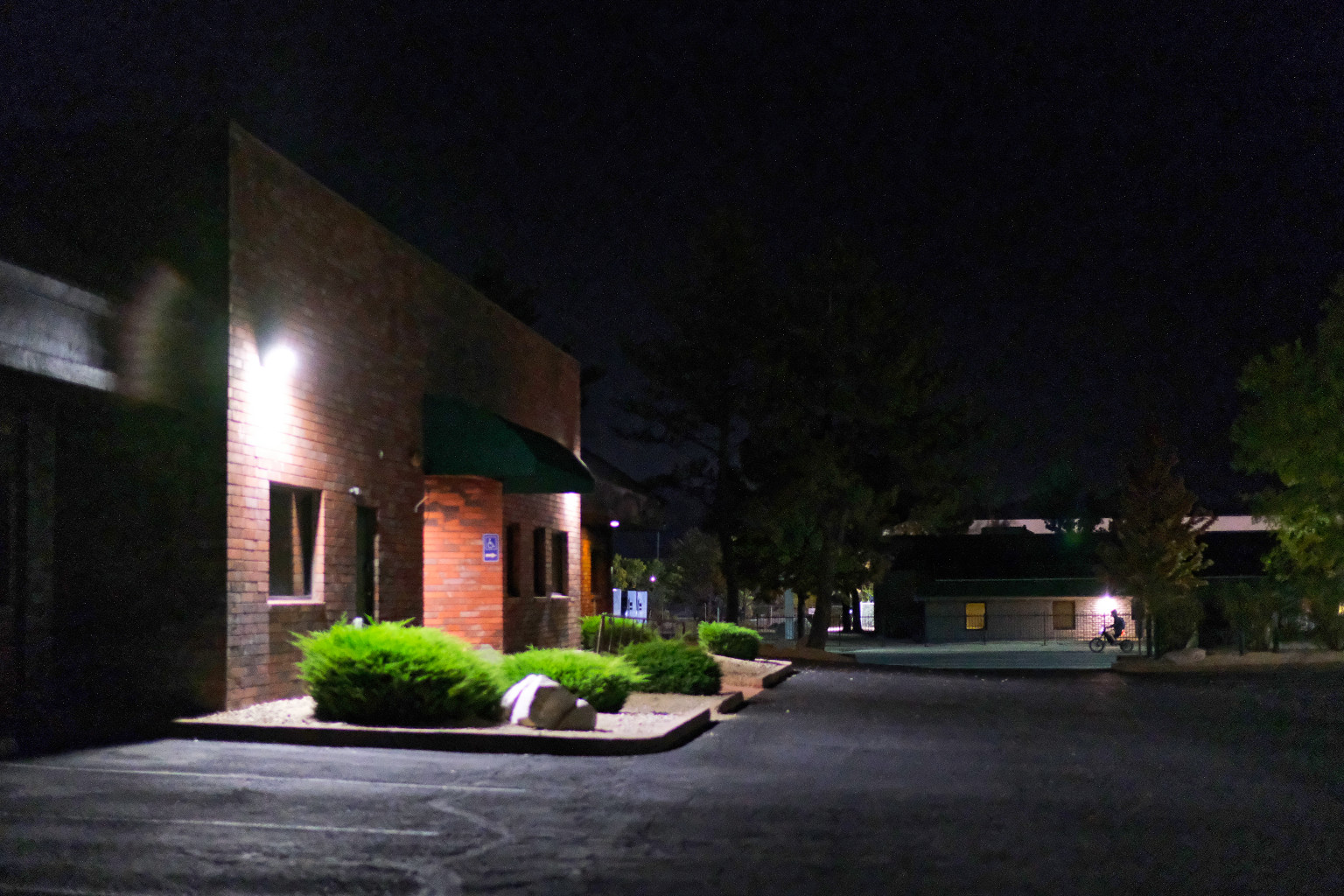
It might be hard to see, but there is a night rider in the frame. Captured with X-Pro3, 2026-10-03 19:50:13, Voigtlander 35mm f/0.9 Nokton, 1/550sec, f/1, ISO-12800, light processing with PhotoLab7.

An excellent photographer and teach, David duChemin, recently wrote piece on on optical sharpness. This prompted me to write a comment to his post. What I wrote got me to thinking that I had just written a weblog post of my own, with some editing and expansion, of course. So, I will post my comment here and then expand a little, maybe.

It is OK, OM (abbreviation for /Old Man/ that radio amateurs use as a term of endearment), for you to be salty and rant a bit. In fact, I think you you and I would have a good time together sitting around the campfire with a beer. We are at the top of our game although in different fields. And I am often sufficiently salty for both of us, enough so that my closest colleagues call me Doc Salty. 😉

I might go a step further and say that our current crop of lenses are *too sharp*, to the point fo being clinically sharp. It is a reason I gravitate toward those lenses that are less so, such as the older Fujinon 35mm f/1.4 or the 18mm f/2. They might be a little softer or less perfect optically. Heck, I even shoot legacy glass on an A7iii using adapters. The old designs, like the planar, sonnar, any of the double Gauss formulae, etc produce some interesting results of common subjects when shot wide open. The current parlance is to say they have /character/ (same as this old man).

After reading probably hundreds of lens reviews over my lifetime, the poster is probably correct. Most optical formulae are at their sharpest, optically, a couple stops down from wide open. If optical sharpness is the only goal, then by all means shoot at the aperture that provides that result. I don’t follow that advice and never have because, as you say, the scene will demand an aperture (likely) that captures the mood. Furthermore, back in the old days, one would have a choice of only a few apertures (unless on a tripod) because the film speed impacted the combinations of shutter speed and aperture that was available for a particular subject.

The only real optical limitation that I can think of that *might* impact a capture is diffraction. I rarely shoot at apertures smaller than f/16, but even at f/11 the airy disc is getting big enough on small sensors that pixel peepers will notice (or a larger print) will make the result softer than I might like (unless that is the goal). There is an argument for using larger media. (I need me a large format field camera! 😉

Sharpness is fine and useful but is never the goal. I’m on board with you, OM, and consistently looking for an image that makes me want to come back again and again because it grabs me somehow.

I don’t make many of them. But, I am only shooting for me because the process of seeing and then applying the camera feeds my soul. I don’t care if anyone likes my images because they aren’t for them, they are for me. If I happen to share an image that makes someone else take a breath, God bless them for He has blessed me with the process.

Here’s to the campfire, OM, and 73 (which is /best regards or wishes/ in ham speak).

Yes, that is a long comment to a weblog post! However, I often write here about cameras and lenses and am one that bemoans the emphasis on clinical sharpness of image quality. There are reasons, beyond status, why Leica still sells cameras and lenses. Of course, there is something about owning a legendary marque. (Remember that I used to drive and ride BMWs. There were reasons beyond the marque that kept me coming back to those vehicles.) But beyond that there are practical reasons why those who run Leicas run them.

Lenses from the major manufacturers are almost all sharp. Some produce sharper images than others in their lineup. The major third-party manufacturers also offer high performance optics (thinking Sigma at the moment). In many ways, I think that optics are developed to a point that, with some exceptions, just about any lens from the major manufacturers that one might use is plenty sharp.

So, although I agree with the post that triggered duChemin is generally correct — camera lenses are generally sharpest about two stops down from maximum aperture — the fact is irrelevant to producing beautiful or moving images.

I am technically inclined and have spent time fussing over MTF charts looking for the best glass. I think I am done with chasing that particular unicorn. I also think I might not be replacing equipment that I have, for the most part. I have some lovely cameras, both analog and digital. I have more lenses that I can ever use. I think that my focus should be on going out and finding interesting things to photograph. Then bring the captures home, review them, and make the adjustments needed to bring out the best of what I saw.

I do not care much anymore about chasing perfection (in my equipment). Everything that I have is good enough. There will remain (of course) that element of my personality that likes to try new things. But, I can satisfy that itch by playing with vintage glass with the Sony A7iii. Most of those lenses are not expensive.

I also think duChemin is right and his rant was rather fun.

I remain grateful. Life is good.

N.B. The header image is a capture I made while walking The Girl a little late one evening. I had a late supper with a best friend and so we walked after dark. I mounted the Voigtlander 35mm f/0.9 Nokton lens on the X-Pro3 (it is a beastly lens and also special purpose) and carried that for some night photography. I need to turn down the electronic viewfinder brightness for night work as my right eye was quite dazzled. But, I made a few captures that demonstrates something of the quality of the lens. It is not super sharp (Ha!) wide open, but does have plenty of character. It will be fun working this lens a bit more.
Remainders: 10 October 2026

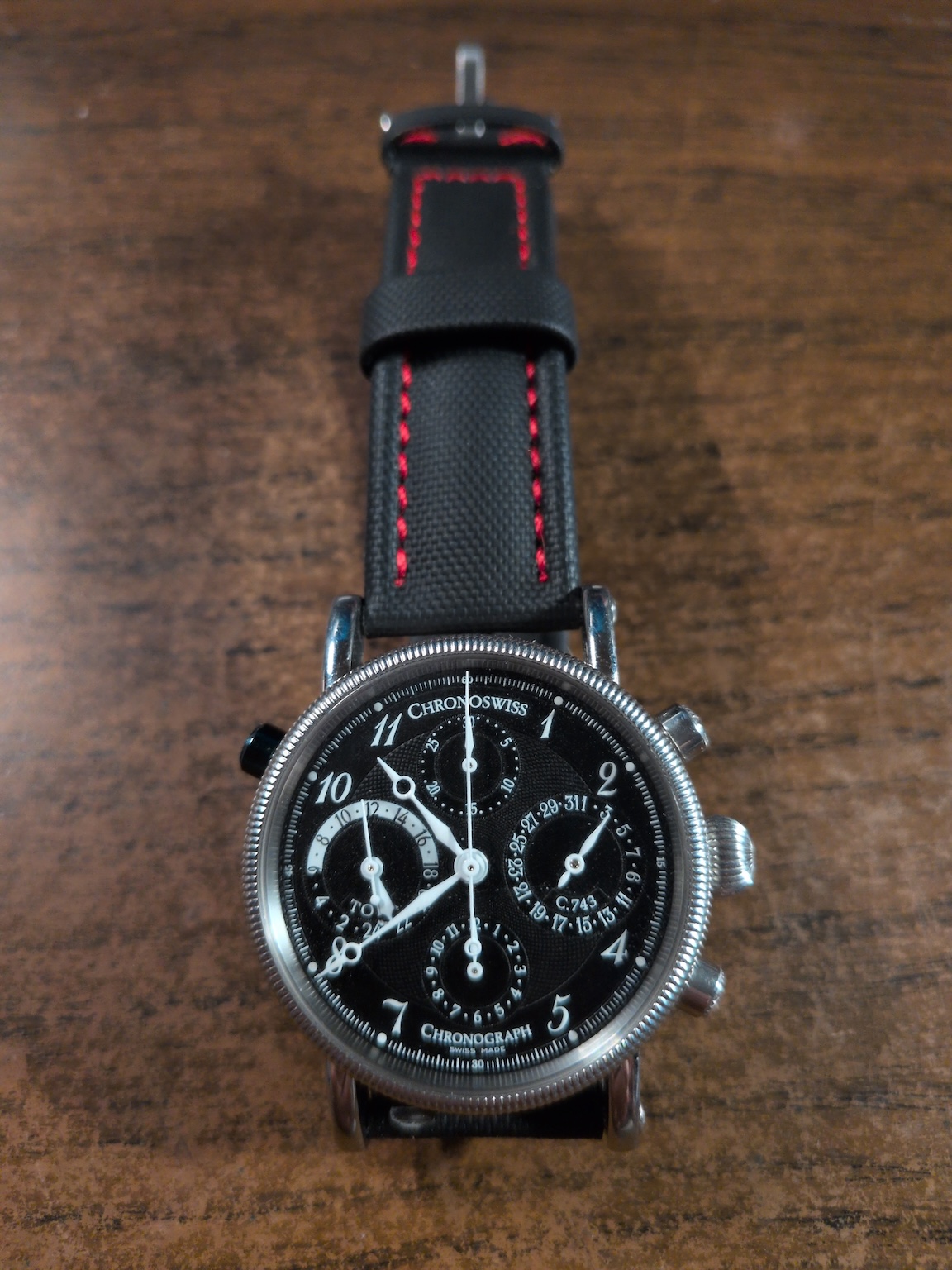
My ChronoSwiss Tora is one of my favorite watches. It is also different than anything else in my collection, not by function, but by appearance. Well, that is not exactly correct — I have other chronographs. The Tora also has a date function and a second time zone, which I keep set to Zulu time. A watchmaker friend was able to loosen the screw-type bars so I could put a proper watchband on my Tora. I chose this black sailcloth with red stitching.

I started this remainders a couple of weeks ago. Then I got very busy again. So, when Saturday rolled around, I did not have many (enough) entries that I wanted to publish. So I elected to push this remainders out one week to see what might develop. Well, I did spend some time on the Interwebs researching the answers to various technical questions.

  • I still go to the field and collect survey data. I recently learned about a type of level rod called a Lenker Rod. This site provides a description for use of a direct elevation reading rod.
  • I enjoyed MythBusters quite a lot. And when Kari joined the crew, I thought her super cute and a superb addition to the crew. She brought a level of energy and humor that was perfect. When The Algorithm pushed this test of the hot-crazy matrix and the cute-money graph, I had to watch it.
  • I have always been something of a privacy geek, strongly believing in the right recognized by the 4th Amendment. Flock and other surveillance devices are not a good thing, no matter how their application is spun. I came across this map of Flock locations (as of November 2025) and was fascinated to know that I am being surveilled on my daily walks with my dog.
  • It is no secret that I am a Fujifilm shooter. I also follow the Fuji Rumors web site. I recently noticed a link to the Big List of Fujifilm X-Mount Lenses. That is cool.
  • For anything but the simplest of operations (create or expand), dealing with archive files (AKA “Zip files”) in MacOS requires third-party software. While watching a YT video (Open Source…) I discovered a FOSS utility called MacPacker. This is a gem and provides more than the software window, it implements a right-click option for dealing with archive files.
  • I am working on a project that requires me to do some flood frequency analysis. As I work with a robot to develop the code (an R script), I learned that the R development team is moving from gfortran to flang for the FORTRAN compiler. This is documented here.
  • As part of the previous exercise, I learned that R uses a document utility, Pandoc. I used to maintain the Literate Programming FAQ and had that text with SGML markup. The markup permitted me to produce multiple output formats for regular distribution. Aside: I no longer know whether that list is still maintained. I have not worked on it in decades.
  • I am waiting for my new spectacles. While I wait, I decided to look at what Warby Parker has to offer.
  • Fuji X Weekly has a nice article on the preference for Kodak film recipes. It is worth a read.
  • I recently received an email from the National Traffic Service about a virtual training course. Now that is interesting. Shawn Ryan recently showed a clip from a nuclear warfare specialist that posited a North Korean EMP detonated 300 miles above ground level would completely shut down the grid and destroy most of the electronics. Those of us who keep a radio in a Faraday cage (and support equipment) would be able to communicate and pass traffic. That is, if enough enough of us have equipment.

I am grateful. Life is good.

Fujifilm Cameras and Lenses

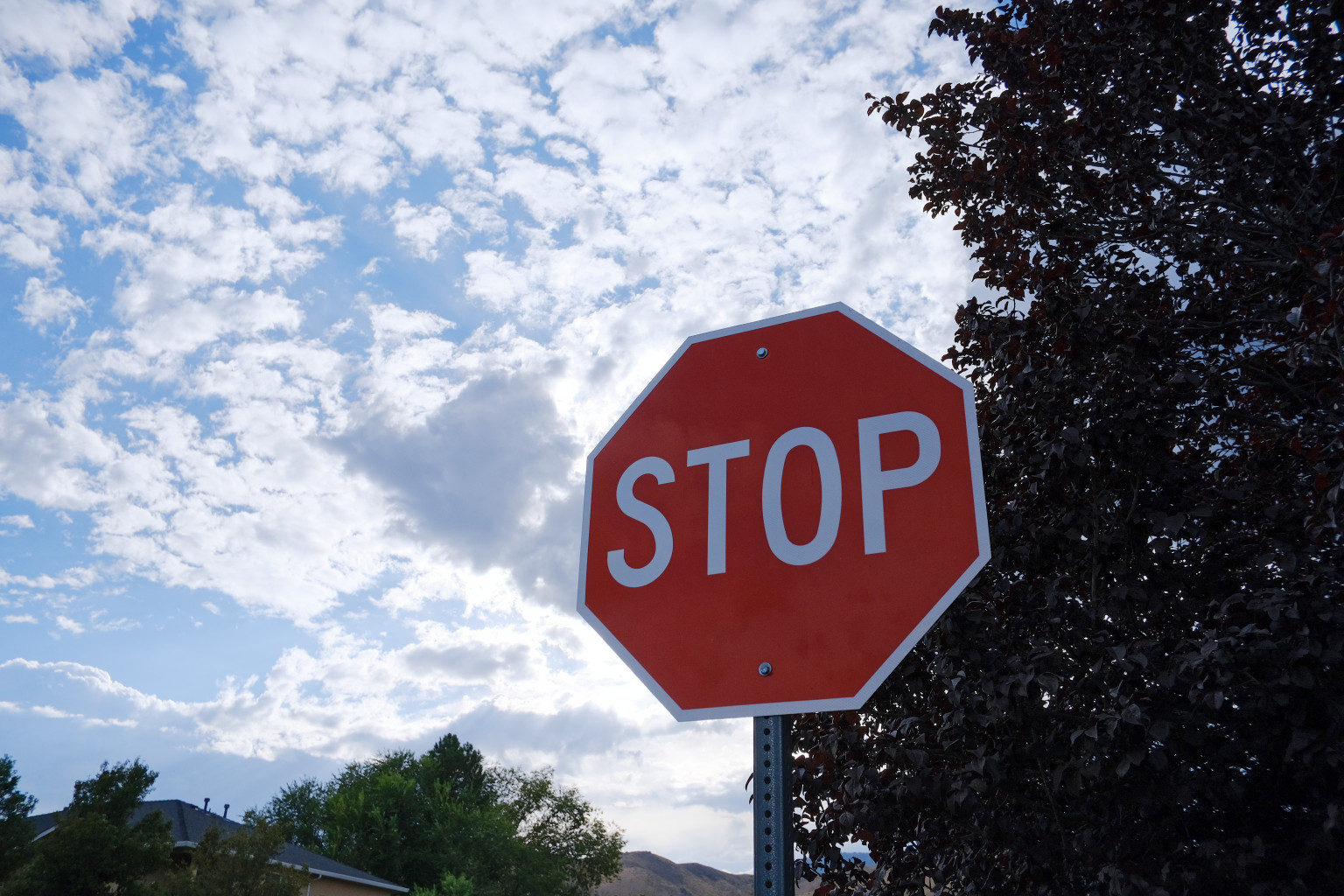
I should probably have put the background out of focus for this capture. I might also experiment with a black and white version. But this will do for the day. Captured with X-Pro3, 2026-09-21 16:55:26, Voigtlander 18mm, 1/2400sec, f/5.6, ISO-400, light editing.

A favorite content creator, Dan Bailey, is a long-time Fujifilm user, professional photographer, and teacher. I think I started following him about 10-years ago.

He recently resent one of his blog posts about his favorite Fujinon lenses and I reviewed his site. He has some good picks on the list that reflect his approach to photograph and his style. Even if my style is somewhat different, there is knowledge to be gained from reviewing his reasons why he chooses what he does.

I have three Fujifilm cameras in my inventory that see significant use. They are 1) X-Pro3, 2) X100vi, and 3) X-T5. The latter two have the 40MP IBIS sensors that are fifth generation. They are exceptionally capable cameras with different use-cases. The X-Pro3 was a curiosity purchase because I am interested in the rangefinder mystique. I have never owned a rangefinder camera1 that received significant use. In particular, Leica rangefinders have an almost cult following. So, I rented one and then kept it.

X-Pro3: The X-Pro3 is getting a lot of carry time. I have a small kit of prime lenses that match the form factor. This makes for a small kit that is readily carried. That is the primary advantage. The secondary advantage is that the camera is less obvious when out and about. It is small, black, and the lenses are also small and unobtrusive. It is a capable camera even if it has a known flaw, which is the ribbon cable that connects to the swing out rear screen2. But perhaps my favorite part of the camera is its size and tendency to be overlooked when I am out and about.

A part of this is use of the smaller lenses. That currently limits me to a longest focal length of 50mm (the Fujinon 50mm f/2 XF WR). That gives me a 35mm equivalent focal length3 of 75mm and I think that the maximum focal length used on classic 35mm rangefinder cameras is in the 90mm range. Beyond that, the frame lines in the viewfinder are just too small to be useful.

I have a Fujinon 90mm f/2 in my inventory and it is a great lens! It is nearly the perfect short-mid telephoto lens I have that fits my Fujifilm cameras. But it is fairly large and heavier than the remainder of the kit.

X-T5: The X-T5 is the goto camera whenever I am using what I call the Big Glass. That would all of the fast zoom lenses (the 100–400mm in particular), and whenever I want more grip than the X-Pro3 provides. My X-T5 is equipped with the Smallrig grip and base and that provides a lot of hand purchase on the camera and a Arca Swiss tripod compatible base on the bottom.

It is a different camera for a different use case than the X-Pro3. It fits into my use whenever I need the longer reach or the in-body stabilization. I put together a small X-T5 kit last year when I travelled east for one of my grandson’s weddings. I took the 16-55mm zoom, the 35mm f/1.4, and the 70-300mm zoom. I used the fast 16-55mm zoom the most because of what I was doing (spending time with my kids). But, the 35mm provides wonderful portraits and the long zoom has a lot reach for wildlife or telephoto landscapes. It has a lot more reach when mated with the XF TC1.4 teleconverter.

X100vi: Last is the X100vi. Many denigrate the camera as an influencer point-and-shoot for the follower crowd. I suppose that it is, but that is not the point. This is a grab-and-go camera that is quite capable with an excellent lens, solid feature set, and that 40MP IBIS sensor and processor. If I do not want to think about kit, I take this camera. It is a solid general purpose camera that produces wonderful images if I do my job.

Now I have to laugh at myself! What started as a rumination on Fujinon lenses turned into said on Fujifilm cameras! I think that I will revisit the topic again, later, and talk about the lenses I specifically carry in my kit that are actually used.

The X-Pro3 and X100vi get a lot of carry time. I will sling the Domke bag with the X-Pro3 and a few lenses over my should or put the X100vi strap over my neck every time I head out the door. I almost always carry a camera along. It is part of how I look at the world. The X-T5 comes along when I have an objective to accomplish — a specific photo shoot that I am working on.

Of course, if I travel, then the X-T5 kit I mentioned above, or a variation thereof, goes with me.

I am grateful. Life is good.

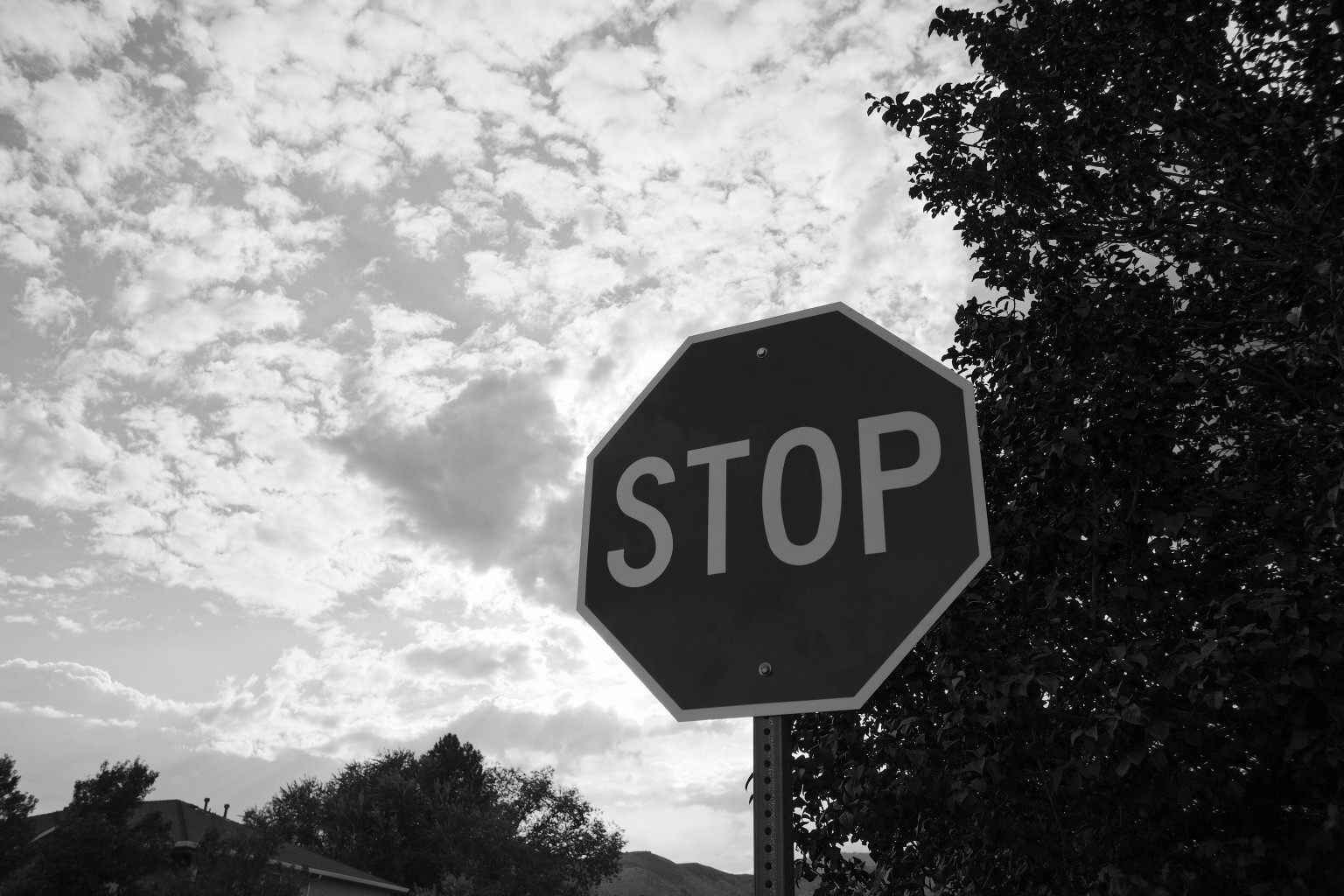
This is a second instance of the capture at top, rendered in black and white. The background is a bit blinding and might need some burning in. Captured with X-Pro3, 2026-09-21 16:55:26, Voigtlander 18mm, 1/2400sec, f/5.6, ISO-400, light editing.